
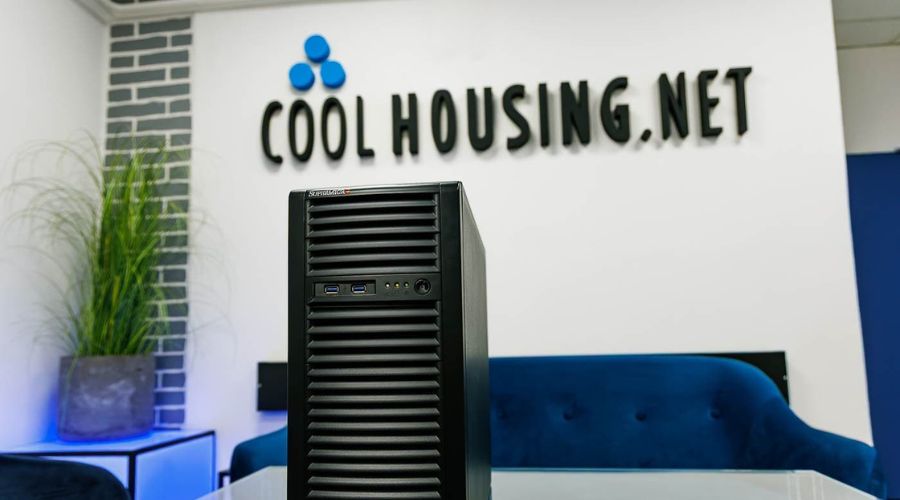
Tower servers have a future with us
Exactly 23 years ago, we opened our first server room, which was designed for both rack and tower servers. Does it make sense to continue? We think absolutely yes. And that's why we keep investing in tower colocation.
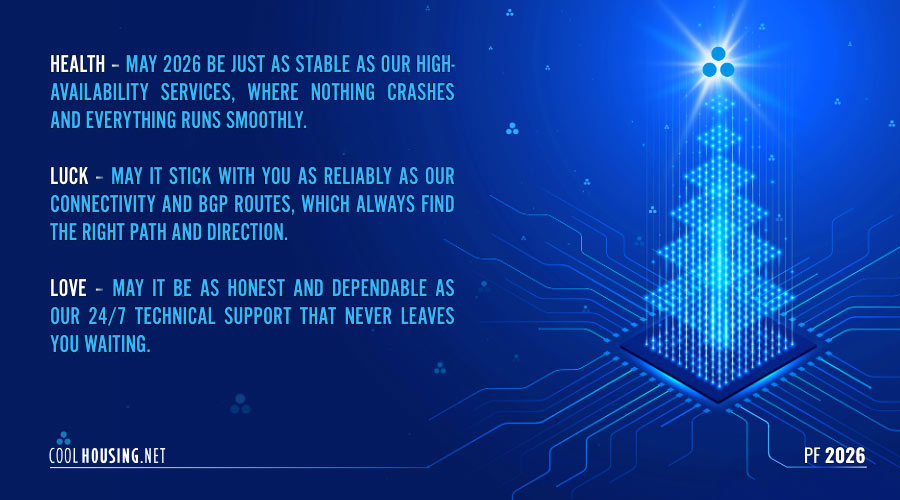
Merry Christmas and happy new year 2026
Thank you to all clients and partners for our cooperation and trust in 2025.
Windows VPS Comparison. Higher Price Doesn’t Mean Better Performance
We compared virtual servers from six leading Czech providers with our new generation of VPS. The result? A higher price doesn’t guarantee better performance or quality.

How to set OpenVPN on Windows
As part of our ongoing infrastructure projects, we have expanded the range of secure connections in our data center portfolio by introducing OpenVPN-secured connectivity. How to install and set OpenVPN on Windows, you can read in this guide.
New generation of VPS server NVMe is here
Today marks the launch of one of the most advanced virtualization platforms in the Czech Republic. Experience our new virtual hosting with extraordinary performance and speed.

Introducing Proxmox Virtualization Platform
A new era in virtual server providing is coming at our data center. We are on the verge of launching a new virtualization platform that will offer numerous new possibilities for both users and VPS hosting providers.
Price reduction of server colo. Even for mini servers
The beginning of February brings positive news from our data center – price reductions. Explore the latest updates that can help you save a significant amount by switching to us and take advantage of the potential offered by tower and the new NAS colocation.
Year 2025 with new connection
Merry Christmas and Happy New Year 2025. New challenges, new possibilies with new 25 Gbps connection!
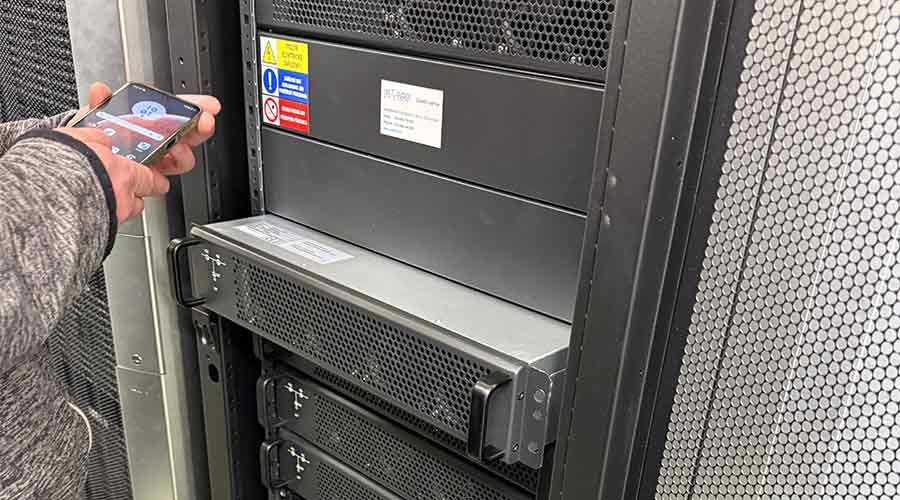
Inspection of Power Infrastructure Before Christmas
Before winter and the Christmas holidays, several maintenance and inspection checked our data center power infrastructure. And result?
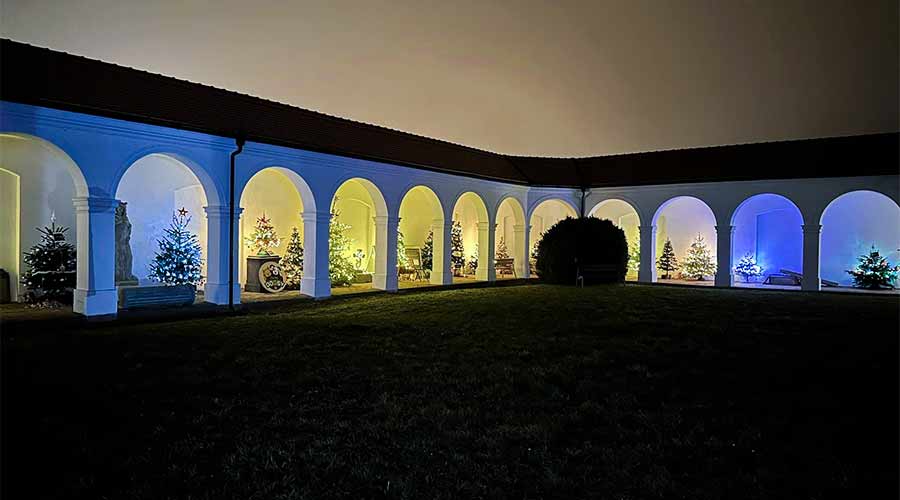
Christmas trees fest
Every christmas tree is original. Do you know how yours will look like this year? Get inspired at an original festival.
Best articles
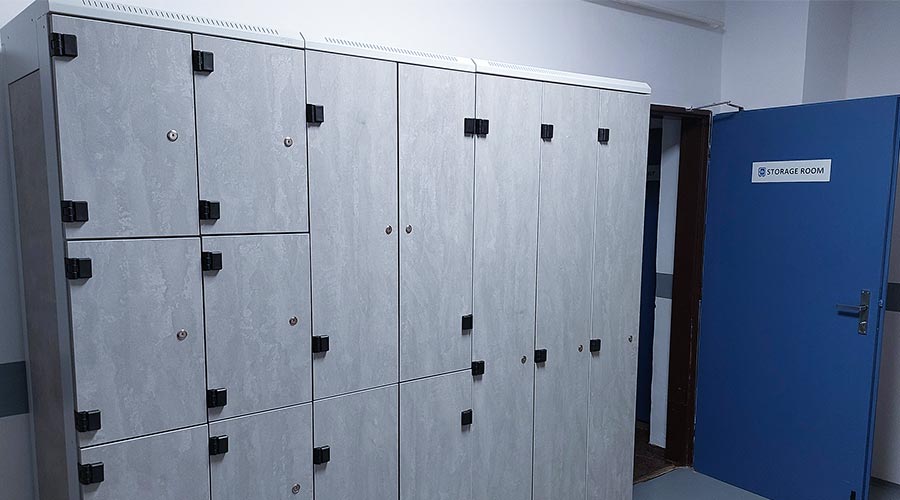
Co-locker server parts storage
Have everything essential at hand during critical moments to ensure the operation of your technology. Rent a secure, lockable cabinet located directly...
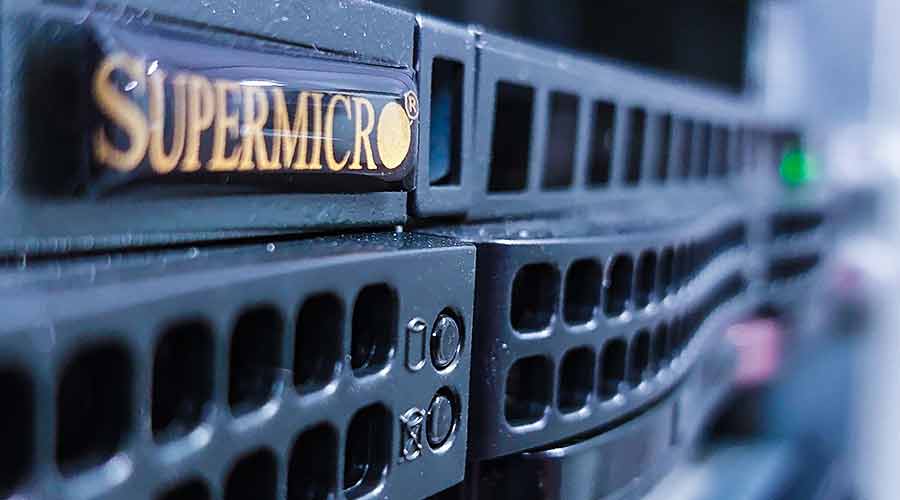
AMD servers everywhere you look. We have updated Server hosting portfolio.
Supermicro dedicated servers underwent a major update last week. Now you can choose from more servers with AMD processors combined even with DDR5 memo...

Freecooling installation and its first results
For several years we have been looking for a technology that would make our data center operation more efficient, reduce its energy consumption and ul...